Back
How to Develop a Blockchain Application
Blockchain technology has become a game-changer for businesses aiming to enhance transparency, security, and efficiency. From supply chain management to decentralized finance, blockchain solutions are reshaping industries. If you're wondering how to develop blockchain applications or create your own blockchain, this guide will walk you through the essential steps, strategies, and best practices.
Understanding the Blockchain Development Process
What is Blockchain Development?
Blockchain development is the process of designing, building, and deploying decentralized digital ledgers that store data across multiple nodes. These ledgers enable secure, tamper-proof transactions without relying on intermediaries.
Why Develop a Blockchain Application?
Blockchain-based applications offer benefits such as:
- Enhanced Security: Cryptography ensures data integrity.
- Transparency: Distributed ledgers provide a single source of truth.
- Efficiency: Automated processes via smart contracts save time and reduce costs.
Step-by-Step Guide to Blockchain Development
1. Define the Use Case
Before you dive into blockchain development, ensure that your project is suitable for blockchain.
Questions to ask:
- Does your project involve multiple entities that need to collaborate?
- Are trust and transparency critical?
- Can certain processes be automated with smart contracts?
Examples of use cases:
- Supply chain tracking
- Cross-border payments
- Identity management
- Loyalty and rewards programs
2. Choose the Right Blockchain Platform
The platform you choose determines the foundation of your blockchain application.
Popular platforms:
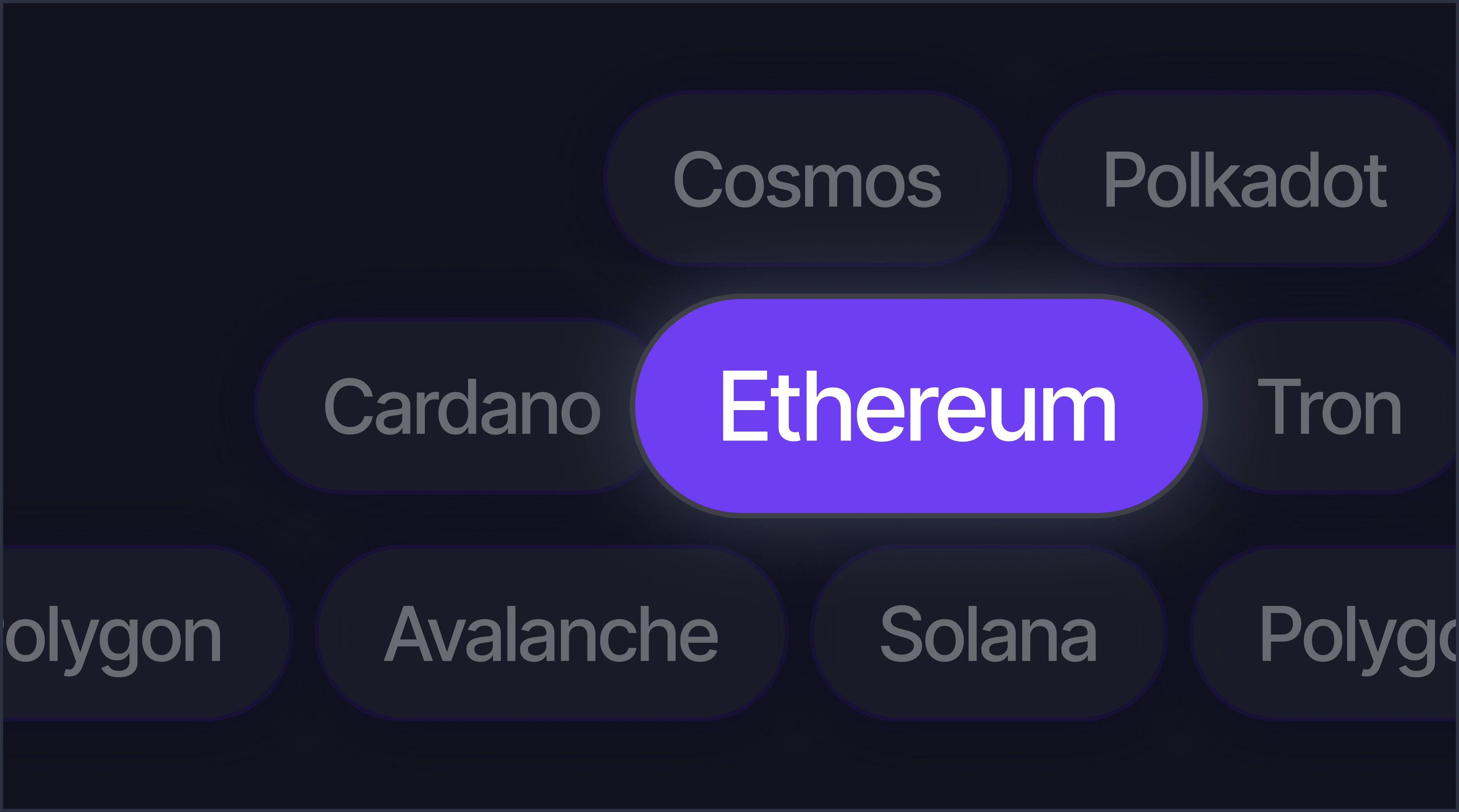
- Ethereum: Ideal for smart contracts and decentralized applications (dApps).
- Hyperledger Fabric: Suitable for enterprise-level solutions.
- Solana: High throughput for scalable applications.
- Polygon: Efficient for building on Ethereum with lower transaction costs.
3. Select a Consensus Algorithm
Consensus algorithms ensure that all nodes in the network agree on the state of the blockchain.
Common algorithms:
- Proof of Work (PoW): Used by Bitcoin; secure but energy-intensive.
- Proof of Stake (PoS): Energy-efficient; validators are selected based on their stake.
- Proof of Authority (PoA): Suitable for private blockchains; relies on trusted validators.
- Byzantine Fault Tolerance (BFT): Ensures reliability in permissioned networks.
4. Design the Blockchain Architecture
You'll need to decide between:
- Public Blockchains: Open networks accessible to anyone (e.g., Bitcoin, Ethereum).
- Private Blockchains: Restricted access for specific participants.
- Consortium Blockchains: Semi-decentralized networks controlled by a group of organizations.
5. Develop the Application
This is where the actual blockchain software development takes place.
Key components:
- Smart Contracts: Code that automates processes.
- Front-End Development: User interfaces for interacting with the blockchain.
- Back-End Development: Infrastructure to support the application.
Popular tools and languages:
- Solidity: For writing smart contracts on Ethereum.
- Web3.js: To interact with Ethereum from JavaScript.
- Truffle Suite: A development environment for blockchain.
- Go or Kotlin: For building on Hyperledger or Corda.
6. Test and Deploy
Thorough testing ensures your application is secure and performs as expected.
Testing phases:
- Functional testing for smart contracts.
- Load testing to measure performance.
- Security testing to identify vulnerabilities.
Once testing is complete, deploy your application on your chosen network and monitor its performance.
Best Practices for Building a Blockchain Application
1. Start with a Prototype
Before scaling, create a minimal viable product (MVP) to test your idea and gather feedback.
2. Optimize for Scalability
Use sharding, layer-2 solutions, or hybrid blockchains to handle high transaction volumes.
3. Focus on Security
Implement robust encryption, multi-signature wallets, and regular audits to safeguard data.
4. Monitor and Maintain
Post-deployment, monitor the network and update smart contracts as needed.
Blockchain Development Use Cases
1. Finance and Banking
- Cross-border payments with reduced fees.
- Automated smart contracts for loans.
- Secure identity verification for KYC processes.
2. Supply Chain Management
- Real-time tracking of goods.
- Enhanced traceability to prevent fraud.
3. Healthcare
- Secure sharing of patient data.
- Verifiable drug supply chains.
4. Government Services
- Transparent voting systems.
- Secure land registries.
5. Retail and E-Commerce
- Loyalty programs with blockchain tokens.
- Peer-to-peer marketplaces with automated escrow.
Challenges in Blockchain Development
1. Scalability Issues
Public blockchains like Ethereum face limitations in processing large volumes of transactions.
2. Regulatory Uncertainty
Compliance with laws like GDPR and data localization can complicate blockchain solutions development.
3. Integration with Legacy Systems Bridging blockchain with existing IT infrastructure requires specialized expertise.
Future of Blockchain Development
As blockchain technology matures, we can expect innovations in areas like:
- Decentralized Finance (DeFi): Expanding access to financial services.
- Non-Fungible Tokens (NFTs): Revolutionizing digital ownership.
- Interoperability: Seamless communication between different blockchain networks.
How Sagtech Can Help You Develop Blockchain Applications
Sagtech specializes in creating blockchain solutions tailored to your business needs.
Why choose Sagtech?
- Expertise in the blockchain development process.
- Proven track record of delivering scalable, secure applications.
- Support across the entire lifecycle, from concept to deployment.
Conclusion
Developing blockchain applications may seem daunting, but with the right approach, tools, and expertise, it's an achievable and rewarding endeavor. By following this guide and leveraging a trusted partner like Sagtech, you can create blockchain solutions that transform your business operations and position you as a leader in your industry.
If you're ready to embark on your blockchain journey, contact Sagtech today and let's build the future together.