Back
Best Blockchain Development Trends for 2025
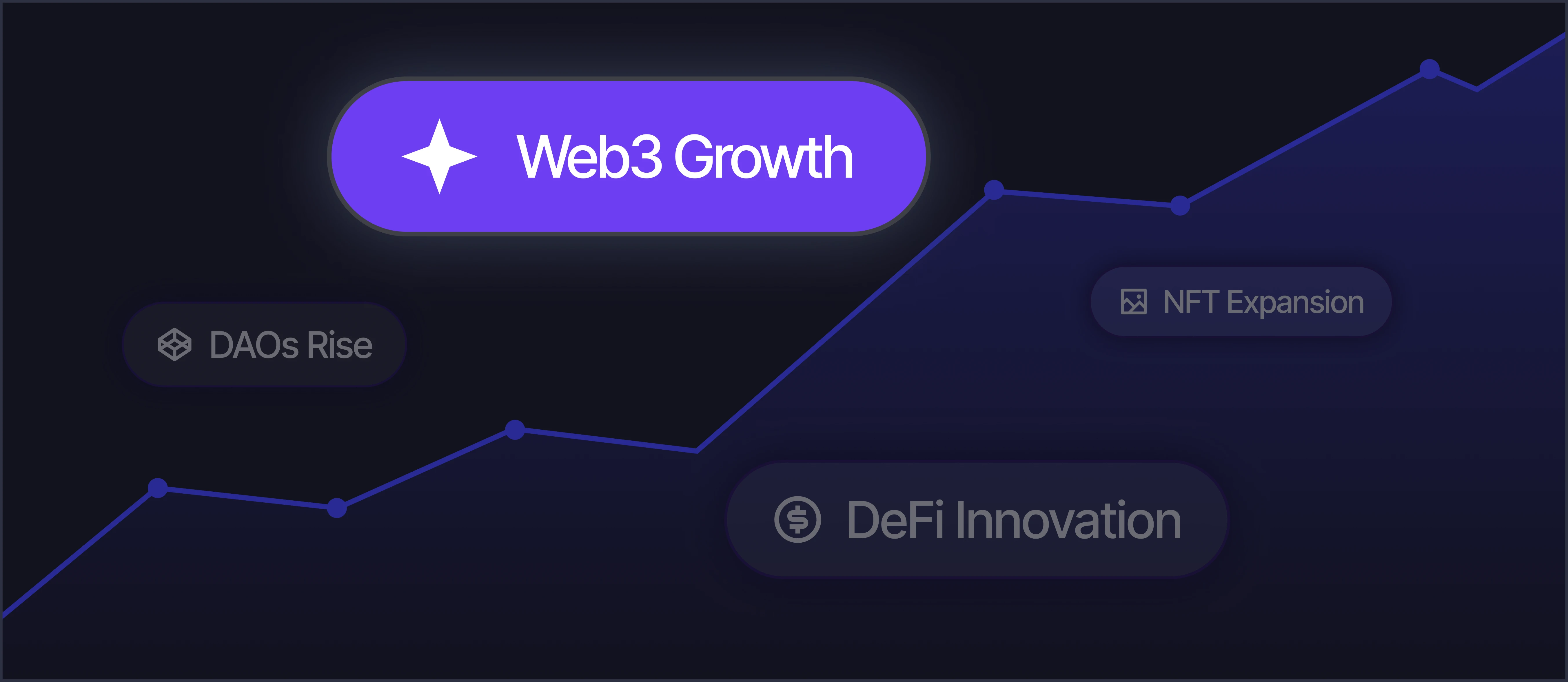
Blockchain technology continues to redefine industries, serving as the backbone of decentralized solutions and driving innovation in areas like finance, supply chain, healthcare, and governance. As we step into 2025, the landscape of blockchain is shaped by key trends that not only highlight its growing adoption but also pave the way for its future evolution.
In this article, we explore the best blockchain development trends, their implications, and how they are set to influence the future of blockchain technology and cryptocurrency.
1. Interoperability and Cross-Chain Solutions
Interoperability is becoming the cornerstone of blockchain innovation. The ability of different blockchain networks to communicate seamlessly is vital for unlocking the full potential of decentralized applications (dApps) and DeFi solutions.
Key Developments:
- Interoperable Protocols: Platforms like Polkadot and Cosmos are leading the charge, enabling blockchains to connect through relay chains and hubs.
- Enhanced Collaboration: Interoperability facilitates multi-chain dApps, allowing users to leverage the unique benefits of various blockchains.
- Scalability Improvements: Cross-chain solutions help reduce congestion on individual networks, improving transaction speeds and reducing costs.
2. Decentralized Finance (DeFi) 2.0
DeFi continues to evolve, offering sophisticated financial instruments that rival traditional systems. From automated market makers (AMMs) to decentralized exchanges (DEXs), DeFi is reshaping finance.
Key Trends:
- Advanced Financial Instruments: Algorithmic stablecoins, decentralized derivatives, and insurance products are gaining traction.
- Layer-2 Solutions: Platforms like Polygon and Optimism are making DeFi faster and more cost-efficient.
- Governance Upgrades: Decentralized autonomous organizations (DAOs) are enabling community-driven decision-making in DeFi ecosystems.
3. Green Blockchain and Sustainability
As the environmental impact of blockchain technology comes under scrutiny, the shift towards sustainable blockchain solutions is accelerating.
Key Trends:
- Energy-Efficient Consensus Mechanisms: Proof of Stake (PoS) and Delegated Proof of Stake (DPoS) are replacing energy-intensive Proof of Work (PoW).
- Carbon-Neutral Initiatives: Platforms like Tezos and Algorand are implementing eco-friendly practices.
- Corporate Adoption: Businesses are prioritizing green blockchain solutions to align with global sustainability goals.
4. Non-Fungible Tokens (NFTs) Beyond Art
NFTs have transcended digital art and collectibles, finding applications in various industries.
Key Trends:
- Tokenization of Real Assets: NFTs are being used to tokenize real estate, intellectual property, and other tangible assets.
- Gaming Integration: Play-to-earn games are leveraging NFTs to create unique in-game assets.
- Identity and Certification: NFTs are enabling secure digital identities and verifiable certifications.
5. Blockchain and the Internet of Things (IoT)
The integration of blockchain with IoT is transforming how devices communicate and share data securely.
Key Trends:
- Secure Data Sharing: Blockchain ensures the authenticity and integrity of IoT data.
- Smart Cities and Logistics: Blockchain is powering applications in urban planning and supply chain transparency.
- Decentralized IoT Networks: Peer-to-peer communication is reducing reliance on centralized servers.
6. Privacy-Enhancing Technologies
As privacy regulations become stricter, blockchain solutions are incorporating advanced privacy features.
Key Trends:
- Zero-Knowledge Proofs (ZKPs): Technologies like zk-SNARKS are enhancing user anonymity.
- Privacy-Focused Blockchains: Platforms like Monero and Zcash are leading in this space.
- Data Compliance: Privacy features ensure compliance with regulations like GDPR and CCPA.
7. Government Adoption and Regulatory Clarity
Governments are embracing blockchain for public services and creating clearer regulatory frameworks.
Key Trends:
- Central Bank Digital Currencies (CBDCs): Nations like China and the EU are advancing their CBDC projects.
- Blockchain for Governance: Blockchain is being used for voting, identity verification, and fund tracking.
- Proactive Regulations: Countries like Switzerland and Singapore are fostering blockchain innovation through clear guidelines.
8. Blockchain for Supply Chain Transparency
Blockchain is revolutionizing supply chains by providing unparalleled traceability and accountability.
Key Trends:
- Immutable Ledgers: Blockchain ensures the integrity of supply chain data.
- Ethical Sourcing: Companies are using blockchain to verify the origins of their products.
- Consumer Trust: Transparent supply chains build consumer confidence.
9. Decentralized Autonomous Organizations (DAOs)
DAOs are challenging traditional organizational structures by leveraging blockchain for transparent governance.
Key Trends:
- Community-Driven Decisions: DAOs empower stakeholders to vote on organizational matters.
- Funding and Investment: DAOs are enabling collective investment in projects.
- Scalable Governance: Smart contracts ensure seamless execution of decisions.
10. Blockchain-as-a-Service (BaaS)
BaaS is simplifying blockchain adoption for businesses by offering ready-to-use infrastructure.
Key Trends:
- Cloud Integration: Providers like AWS and Microsoft Azure are leading BaaS solutions.
- Ease of Use: BaaS platforms enable businesses to deploy blockchain applications without managing complex infrastructure.
- Cost Efficiency: Businesses can focus on development while leaving maintenance to the service provider.
Future Scope of Blockchain Technology
The future of blockchain is promising, with advancements in scalability, security, and real-world adoption. As blockchain integrates with emerging technologies like AI, IoT, and 5G, its potential will expand further.
Key Opportunities:
- Web3 Evolution: Blockchain is becoming the backbone of decentralized internet.
- Interoperable Ecosystems: Seamless interaction between blockchains will unlock new use cases.
- Global Financial Inclusion: DeFi and CBDCs are bridging the gap for unbanked populations.
Conclusion
The best blockchain development trends for 2025 highlight the technology's versatility and transformative potential. From advancing DeFi to driving sustainability, blockchain is reshaping industries and creating new opportunities for innovation.
If you're ready to explore blockchain's possibilities, check out our comprehensive guide to blockchain development to learn how to leverage these trends for your business.