Back
How Do You Develop Software? Custom Software Development Process Steps
In today's fast-paced digital world, every business is hunting for that edge - that something special that sets them apart from the crowd. More often than not, that edge lies in custom software development. Whether you're running a startup, a small business, or a growing enterprise, building software specifically tailored to your business needs can be a game-changer.
But let's be real: how do you develop software that doesn't just function, but actually solves your unique problems? That's where the custom software development process comes into play. Understanding the steps in the software development process is like having a GPS for your tech journey: it guides you from idea to execution without losing direction.
Let's break down this journey together, step by step.
Why Custom Software is Essential in Today's Business Landscape
Think of custom software as a suit tailored just for you. Off-the-shelf software might be suitable, but custom solutions align with your business model in all the right places. It's all about personalization, scalability, and flexibility.
The software customization process allows businesses to automate workflows, enhance customer experience, and adapt quickly to changing needs. Unlike generic apps, custom-built tools grow with your company. And let's not forget that the competitive edge it brings can make or break your position in the market.
Software Development Process Steps
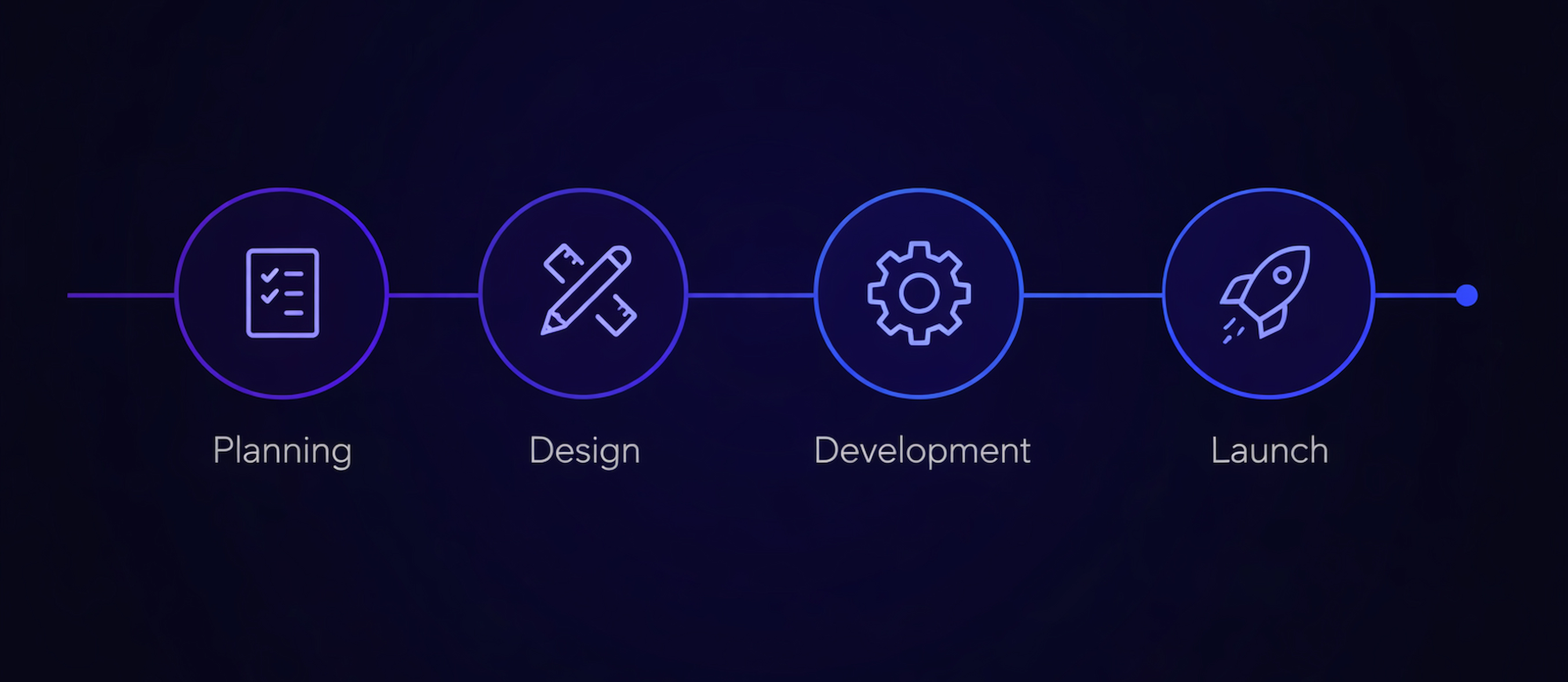
Before diving into the details, let's answer the big question: What are the basic steps of the software development process?
Here's a quick snapshot:
- Requirement Gathering
- Feasibility Analysis
- Design
- Development
- Testing
- Deployment
- Maintenance
This structured roadmap ensures that your idea gets converted into a working software solution without falling through the cracks.
Requirement Gathering and Analysis
This is where the software building process begins. Before writing a single line of code, you need clarity, crystal clear clarity, on what you want.
- What problem are you solving?
- Who are the end-users?
- What functionalities are needed?
In this phase, business analysts, developers, and stakeholders collaborate to define the project's scope. It's like drawing a blueprint before constructing a house. The goal? To set a strong foundation for the software customization process.
You'll also define technical requirements, business goals, timelines, and potential risks. It's the stage where ideas start taking a structured form.
Feasibility Study and Planning
Now that the requirements are clear, it's time to ask: Can we actually build this? This is where feasibility comes in.
- Is it technically feasible?
- Is it economically viable?
- Is it operationally practical?
This phase tests the waters. It evaluates the resources, budget, and tech stack needed. If everything checks out, you move to the next step in the software development process flow - detailed planning.
Planning involves creating a project roadmap, defining milestones, and assigning responsibilities. It sets the stage for a smooth execution of the solution development process.
Software Design and Architecture
This is where creativity meets logic. The development team translates requirements into design documents, UI mockups, and architectural blueprints.
Designing custom software isn't just about how it looks. It's about how users will interact with it. Think UX (User Experience) and UI (User Interface).
Architecture planning is equally important. This includes:
- Frontend and backend framework
- Database design
- API integrations
- Third-party services
All of this ensures that the software application development process results in a system that's easy to use, maintain, and scale.
Development and Coding
This is the execution phase, where the magic (or should we say, coding) happens. Developers start writing code based on the design and requirements laid out.
The choice of programming languages, frameworks, and tools depends on your project's needs. This is the most intensive stage of the process of software development, and it's typically broken into smaller sprints (especially in Agile environments).
During this phase, the software is built module by module, ensuring that each part functions correctly and integrates smoothly with the rest. Clear communication and regular reviews are essential to keep the software development process steps on track.
Testing and Quality Assurance
You wouldn't buy a car without test-driving it, right? The same logic applies to software. Before deploying your product, rigorous testing ensures everything works perfectly.
Types of testing in the software creation process include:
- Unit Testing
- Integration Testing
- System Testing
- User Acceptance Testing (UAT)
Testing helps find bugs, verify functionalities, and validate performance. It ensures that the software meets user expectations and is free from critical issues that could cause chaos after launch.
Deployment
Once the product is tested and approved, it's time to go live. Deployment is the process of moving your code from the development environment to a live production server.
This might sound simple, but trust us - it's not just hitting a "launch" button. It involves:
- Setting up servers
- Migrating databases
- Configuring environments
- Rolling out updates
A smooth deployment ensures minimal downtime and disruption. The software development process flow doesn't end here, though. It leads straight into support and maintenance.
Maintenance and Support
So, your software is live. Now what?
This is where the software application development process continues with maintenance. Bugs pop up, user needs change, and the tech landscape evolves. Regular updates, performance monitoring, and new feature releases keep the software relevant.
Think of this as routine servicing for a car: it keeps your system running smoothly and securely. Maintenance is a core part of the software building process, not an optional extra.
Agile vs Waterfall in the Software Development Process Flow
Choosing the right methodology can make or break your project.
- Agile is flexible, adaptive, and works in iterations. Great for dynamic projects with changing needs.
- Waterfall is linear and structured - ideal for projects with fixed requirements.
Both approaches have a place in the solution development process. The key is knowing which suits your project goals and timeline.
The Role of Documentation in the Software Application Development Process
Ever tried fixing something without a manual? That's what software is without documentation.
Good documentation helps future developers, stakeholders, and users understand how the software works. It includes:
- Code documentation
- API guides
- User manuals
- Process workflows
It's a silent hero of the custom software development process. One that saves time, money, and headaches.
Security Considerations in Custom Software Development
With great power comes great responsibility. The more control you have over your software, the more responsible you are for its security.
Key considerations include:
- Data encryption
- User authentication
- Secure APIs
- Compliance with data regulations
These elements ensure your software customization process results in an application that's not just powerful but also protected.
Challenges in the Custom Software Development Process
Let's be honest: building custom software isn't always smooth sailing.
Common challenges include:
- Scope creep
- Budget overruns
- Miscommunication
- Technical debt
The key is anticipating these issues and having strategies to address them. Clear communication, realistic planning, and choosing the right team make a huge difference in the software development process steps.
Best Practices for a Successful Solution Development Process
Want your software project to succeed? Follow these tips:
- Keep users in the loop
- Choose the right methodology
- Prioritize testing
- Maintain clear documentation
- Plan for post-launch maintenance
These best practices ensure that your software creation process delivers not just a product, but a lasting solution.
How to Choose a Reliable Custom Software Development Partner
Picking the right software development team is just as crucial as the development itself. Look for:
- Proven track record
- Technical expertise
- Transparent pricing
- Good communication
- Long-term support
A reliable partner helps you navigate the entire process of software development with confidence.
Conclusion
The custom software development process is a detailed journey that transforms an idea into a working digital product. It's not just about writing code - it's about solving real-world problems with technology. From requirement gathering to deployment and maintenance, each step in the software development process flow matters.
FAQs
What are the basic steps of the software development process?
The basic steps include requirement gathering, feasibility analysis, design, development, testing, deployment, and maintenance.
How long does the software development process take?
It depends on the project scope, but custom software can take anywhere from a few months to over a year.
What is the difference between custom and off-the-shelf software?
Custom software is built for specific needs, while off-the-shelf solutions are generic and may not fit all business requirements.
Is custom software more expensive?
Upfront, yes. But over time, it can save money by improving efficiency, reducing manual work, and avoiding subscription costs.
How do I start the software customization process?
Start by identifying your business needs, setting goals, and choosing a trusted software development partner.