Back
Unlocking the Power: Advantages of Custom Software Development
Off-the-shelf software may promise quick fixes, but it often lacks the flexibility and precision that modern businesses need to truly thrive. This is where custom software development steps in: a tailored approach that puts your specific needs front and center.
Understanding the advantages of custom software development is crucial for any organization looking to optimize operations, enhance user experience, and gain a competitive edge. In this article, we're diving deep into the many benefits of custom-built solutions, from boosting productivity to securing your data like a vault.
So, if you've ever felt like your software is forcing your business into a box it doesn't belong in, read on.
What is Custom Software Development?
Custom software, also known as bespoke or tailor-made software, is built specifically to match a business's individual needs and workflows. Unlike generic, off-the-shelf products designed for mass usage, custom solutions focus on you - your operations, your goals, your people.
Whether it's a CRM platform that mirrors your sales process, or an inventory system that fits your exact logistics model, the advantages of bespoke software are clear: you get software that adapts to your business, not the other way around.
Benefits of Custom Software Development
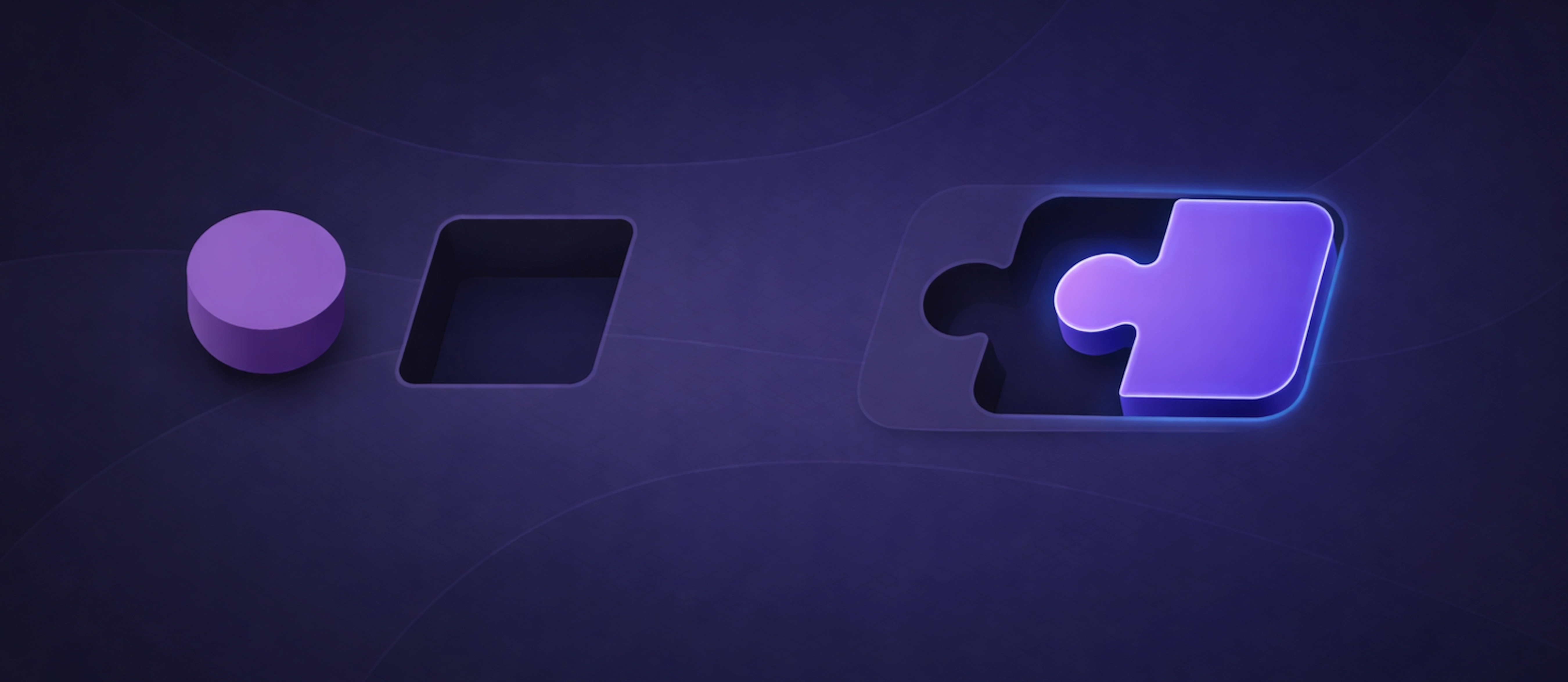
Ever tried forcing a round peg into a square hole? That's what it often feels like when companies use generic software. They either have to compromise on functionality or spend extra time and money on add-ons, plugins, or workarounds.
The biggest issue? You're adapting your business to fit the software instead of using software to streamline your business. This leads to inefficiencies, frustrated teams, and missed opportunities. The advantages of custom-built software start with solving your problems in your way, right from the start.
Tailored to Your Unique Business Needs
No two businesses are the same, even those in the same industry. So, why should they use the same software? This is where the advantages of tailor-made software truly shine. Custom solutions allow for every feature, function, and interface to be built around your business model.
Imagine a startup that relies heavily on remote collaboration: standard tools might work, but a custom dashboard with integrated task management, file sharing, and real-time updates can make a world of difference. It becomes a game-changer, not just another tool.
From automating unique internal processes to addressing niche customer needs, custom software development advantages lie in its ability to adapt, evolve, and deliver precisely what you need, nothing more, nothing less.
Enhanced Scalability for Business Growth
One of the major advantages of custom-built software is its inherent scalability. Unlike off-the-shelf solutions that often limit you with predefined user caps, features, or performance thresholds, custom applications are designed to evolve alongside your business.
Let's say you're a small eCommerce brand today, but you plan to scale into multiple warehouses, international markets, and omnichannel retail within two years. Standard software may work for now, but will it support 10x your order volume? Can it integrate with international payment gateways or offer custom reporting based on regional performance? Probably not without major limitations.
With bespoke software, scalability is baked into the foundation. You can start small, but with a clear roadmap for growth, your system can expand to meet future demands, whether that means adding new modules, increasing concurrent users, or integrating with new platforms.
This forward-thinking approach not only protects your investment but ensures your technology remains an asset, not a bottleneck, as you scale. When you factor in custom software development advantages, scalability is one that keeps paying off long after deployment.
Read also: https://sagtech.io/blog/digital-transformation-strategies-for-enterprises
Improved Efficiency and Productivity
Here's a hard truth: generic software often includes features you'll never use and leaves out the ones you desperately need. This creates a productivity paradox: teams waste time trying to make the software work instead of actually working.
One of the greatest benefits of custom software is the dramatic boost in efficiency. When a platform is built around your workflows, not the other way around, everything runs smoother. Repetitive tasks can be automated, communication becomes seamless, and the risk of human error drops significantly.
Let's say you run a logistics firm with a complex delivery routing system. Off-the-shelf software may force your dispatch team to jump between multiple platforms. But a custom-made system can automate route planning, integrate with GPS trackers, and offer real-time ETAs, saving hours every single day.
This is the kind of impact that has a compounding effect. The advantages of custom software development go beyond functionality; they empower teams to do more in less time, with fewer resources.
Integration with Existing Systems
If your current tech stack feels like a jigsaw puzzle with missing pieces, you're not alone. Many businesses juggle separate systems for CRM, accounting, inventory, and more, with each operating in a silo. This is where custom software development advantages take center stage.
Custom software can be designed to integrate seamlessly with your existing tools, whether that's legacy systems, modern SaaS platforms, or third-party APIs. This creates a unified ecosystem where data flows freely, operations are synchronized, and reports are accurate.
Take for instance a manufacturing company using a legacy ERP system. A custom module can be developed to sync real-time inventory data with a mobile dashboard for field sales reps. That kind of integration just isn't possible with out-of-the-box software.
These advantages of custom software development translate to reduced manual entry, fewer errors, and better decision-making across the board.
Increased Security and Compliance
Off-the-shelf software is a common target for hackers. Why? Because once a vulnerability is found, it can be exploited across thousands of systems. Custom software, on the other hand, is like a hidden fortress. It's designed specifically for you with your security protocols and compliance requirements in mind.
The advantages of bespoke software in terms of security are significant. You get to choose encryption standards, implement multi-factor authentication, restrict user access, and build audit trails that meet specific regulations like GDPR or HIPAA. The stakes are high: IBM's annual Cost of a Data Breach report found the global average cost of a breach reached $4.88 million in 2024 - a 10% jump from 2023 and the largest increase since the pandemic.
Let's say you run a healthcare startup handling sensitive patient data. You can build a custom application that aligns exactly with HIPAA guidelines, ensuring every access point, log, and user interaction is secured and compliant.
The peace of mind that comes with tailored cybersecurity is priceless, and it's one of the key benefits of custom software development for industries that deal with confidential information.
Full Ownership and Control
When you buy off-the-shelf software, you're essentially renting it. You pay license fees, you follow their update cycles, and if the vendor shuts down, you're out of luck. With custom software, you own everything.
The advantages of custom-made software include full ownership of the codebase, database structures, and IP rights. You decide when to update, what features to add, and how the platform evolves.
This autonomy is especially important for businesses with long-term visions. You're not handcuffed by third-party vendors or forced into updates that don't serve you. You call the shots.
Ownership also means no recurring licensing fees for every user or device. Over time, this adds up to significant cost savings, which is another reason why the advantages of custom software go beyond just functionality.
Cost-Effectiveness Over Time
Yes, custom software has a higher upfront cost. But when you look at the long-term picture, it often becomes the more economical option. You avoid recurring subscription fees, third-party add-ons, and the costs of workarounds or downtime.
The advantages of custom software from a financial perspective become clear over time. You build once and improve incrementally, without paying extra for each new user or feature.
Let's break it down:
- Off-the-shelf: Monthly fees, upgrade costs, limits on features, and user caps.
- Custom-built: One-time development cost, unlimited customization, and no surprise fees.
Over a five-year span, businesses often find that the benefits of custom software development outweigh initial investments by a wide margin, especially when factoring in productivity gains and operational efficiencies.
Read also: https://sagtech.io/blog/sustainable-technology-solutions-for-business
Competitive Advantage in the Market
In a crowded marketplace, standing out is tough. But with custom-built tools at your disposal, you can create unique processes, customer experiences, and data insights that your competitors simply can't replicate.
Whether it's a unique ordering system, a customer portal tailored to your audience, or advanced data analytics that reveal trends before others see them, the custom software development advantages are clear: you gain tools that align with your strategy, not someone else's.
Think of it like building your own race car. Sure, you could buy a fast car off the lot, but a machine tailored to your driving style, terrain, and tactics will always win in the long run.
This is the strategic edge that the advantages of bespoke application software provide, because innovation should never be limited by someone else's roadmap.
Better Customer Experience
One of the most overlooked yet critical advantages of bespoke application software is its ability to deliver a superior customer experience. Think about it: your customers don't care about how easy your software is to use on the backend. What they care about is how smoothly they can interact with your business. That's where custom-built platforms excel.
When your software is tailored to your exact customer journey, you can eliminate friction points, personalize the interface, and offer functionality that off-the-shelf products simply can't match. Whether it's a custom booking system for a service-based business or a self-service dashboard for B2B clients, the advantages of custom software development directly translate to happier, more loyal customers.
Moreover, a personalized platform gives you the flexibility to adapt based on user feedback. You can release new features, tweak UI/UX designs, or add integrations your audience is actually asking for, not just waiting for a vendor's next update. That responsiveness builds trust and sets your business apart from competitors relying on cookie-cutter solutions.
Ultimately, investing in customer-facing bespoke software isn't just a tech upgrade; it's a brand differentiator. And in a digital-first world, that's invaluable.
Faster Adaptation to Market Trends
In today's lightning-fast business environment, agility isn't just nice to have - it's necessary for survival. Generic software often lags when it comes to adopting new trends or incorporating cutting-edge features. But with custom development? You're in the driver's seat.
The advantages of custom-written software shine when you need to pivot quickly. Say there's a new regulation in your industry, or a hot tech trend (like AI-powered chatbots) your competitors are just discovering. A custom system can be updated and deployed rapidly to incorporate these changes, while off-the-shelf products may take months to catch up or, worse, never support them at all.
You're no longer at the mercy of slow development cycles. Your development team works directly with you, focusing on what matters most to your business. That level of responsiveness is a powerful asset and part of why custom software development advantages are being embraced by more agile organizations worldwide.
Support and Maintenance Tailored to You
You've probably dealt with "support" that felt more like a waiting game. You log a ticket, wait hours (or days), and get a generic answer that barely addresses your actual problem. With custom software, that changes.
One of the underrated benefits of custom software development is dedicated, personalized support. Since your development team built your system from the ground up, they understand every detail. This means faster bug fixes, accurate troubleshooting, and proactive updates, all based on your unique environment.
Also, support can be scaled as your business grows. Need 24/7 maintenance? You got it. Want proactive performance checks before launching a new campaign? No problem. You're not stuck in a tiered support model where premium help costs extra. Instead, you get exactly what you need when you need it.
The advantages of custom software in terms of long-term support are clear: less downtime, faster fixes, and a partnership that actually helps your business run smoother.
Long-Term Business Relationship with Developers
Another powerful perk of going custom? You're not just buying software, you're building a long-term relationship. Many businesses that go the bespoke route end up working with the same software developers or agencies for years, evolving the platform together as the business grows.
This ongoing partnership has real value. Developers who know your system inside and out can suggest improvements before problems arise, optimize performance based on actual usage patterns, and offer strategic input on new features.
That level of synergy is hard to achieve with off-the-shelf vendors, who are juggling thousands of clients and are limited by pre-planned roadmaps. The benefits of custom software include having a development ally who grows with you, not just sells to you.
Future-Proofing Your Business
Technology evolves rapidly. What's cutting-edge today could be obsolete tomorrow. Off-the-shelf platforms can quickly fall behind, leaving you with outdated tools or expensive migration processes. But with custom software, you build with the future in mind.
You can design your system to be modular, so new features or tech like AI, blockchain, or IoT can be integrated when you're ready. You're not limited by vendor support timelines or update schedules. Your system evolves with your business, keeping you ahead of the curve.
The advantages of custom software development go beyond today's needs. You're setting up your infrastructure to adapt and compete for years to come.
Greater User Adoption
If your team hates using your current software, that's a red flag. User adoption is key to getting ROI from any platform, and that's where custom software really shines.
When your system is built with your users in mind, from interface design to feature prioritization, adoption skyrockets. Training becomes easier because the software reflects familiar workflows. Support tickets drop because the platform just makes sense.
These are real, measurable advantages of custom software. For instance, custom-built fintech platforms and internal tools often report dramatic adoption jumps once the solution is tailored to users' real workflows: one case study cited a 300% increase in user adoption compared to industry averages for a custom risk assessment platform.
You're not forcing people to adapt to a rigid system - they're working within something made for them. That increases productivity, morale, and ultimately, business results.
Ownership of Intellectual Property
This one's big, especially for startups and innovation-driven companies. When you build bespoke software, you own everything: the source code, the architecture, the user experience, the unique algorithms that drive your business.
That means you can monetize your software, license it, or pivot your entire business model around it. The advantages of tailor-made software include the ability to fully control and profit from your innovation. You're not just a user, you're the creator.
And in a world where tech IP is one of the most valuable assets a company can have, this ownership gives you a serious edge.
Conclusion
By now, it's clear: the advantages of custom software development aren't just about having cool tech. They're about gaining control, efficiency, and competitive power in a business landscape where every edge counts.
From improving productivity and customer experience to enhancing security and ensuring long-term scalability, the benefits of custom software development are undeniable. You get a solution that's made for your needs, grows with your business, and sets you apart from competitors.
So if you're tired of trying to fit into someone else's mold, it might be time to create your own. That's the real power of custom-built software - it's not just a tool; it's your strategy in digital form.
FAQs
1. What is the biggest advantage of custom software?
The biggest advantage is that it's built specifically for your business needs. You don't have to compromise or adapt to generic tools; it's all about personalization and control.
2. Is custom software development expensive?
While the initial cost is higher than off-the-shelf solutions, it often pays for itself through improved efficiency, scalability, and lack of ongoing licensing fees.
3. How does bespoke software benefit small businesses?
Small businesses gain a competitive edge by optimizing unique workflows, offering better customer experiences, and scaling their technology without being tied to rigid systems.
4. Can custom-built software integrate with my current tools?
Absolutely. One of the main advantages of custom software development is seamless integration with your existing tech stack, whether it's legacy systems, cloud tools, or third-party APIs.
5. What's the ROI of investing in custom-written software?
Over time, ROI can be significant, thanks to increased productivity, reduced overhead, higher user satisfaction, and the ability to grow and adapt without constant reinvestment.