Back
What is Financial Technology (FinTech)?
Fintech, short for financial technology, is transforming how people and businesses access, manage, and interact with money. From mobile banking to AI-driven investing, fintech is reshaping the financial landscape through innovation, accessibility, and efficiency.
What is the Definition of Fintech?
Fintech is a combination of the words "financial" and "technology". It refers to the integration of modern technology into financial services, enabling individuals and businesses to manage their money, investments, and transactions in faster, more accessible, and innovative ways.
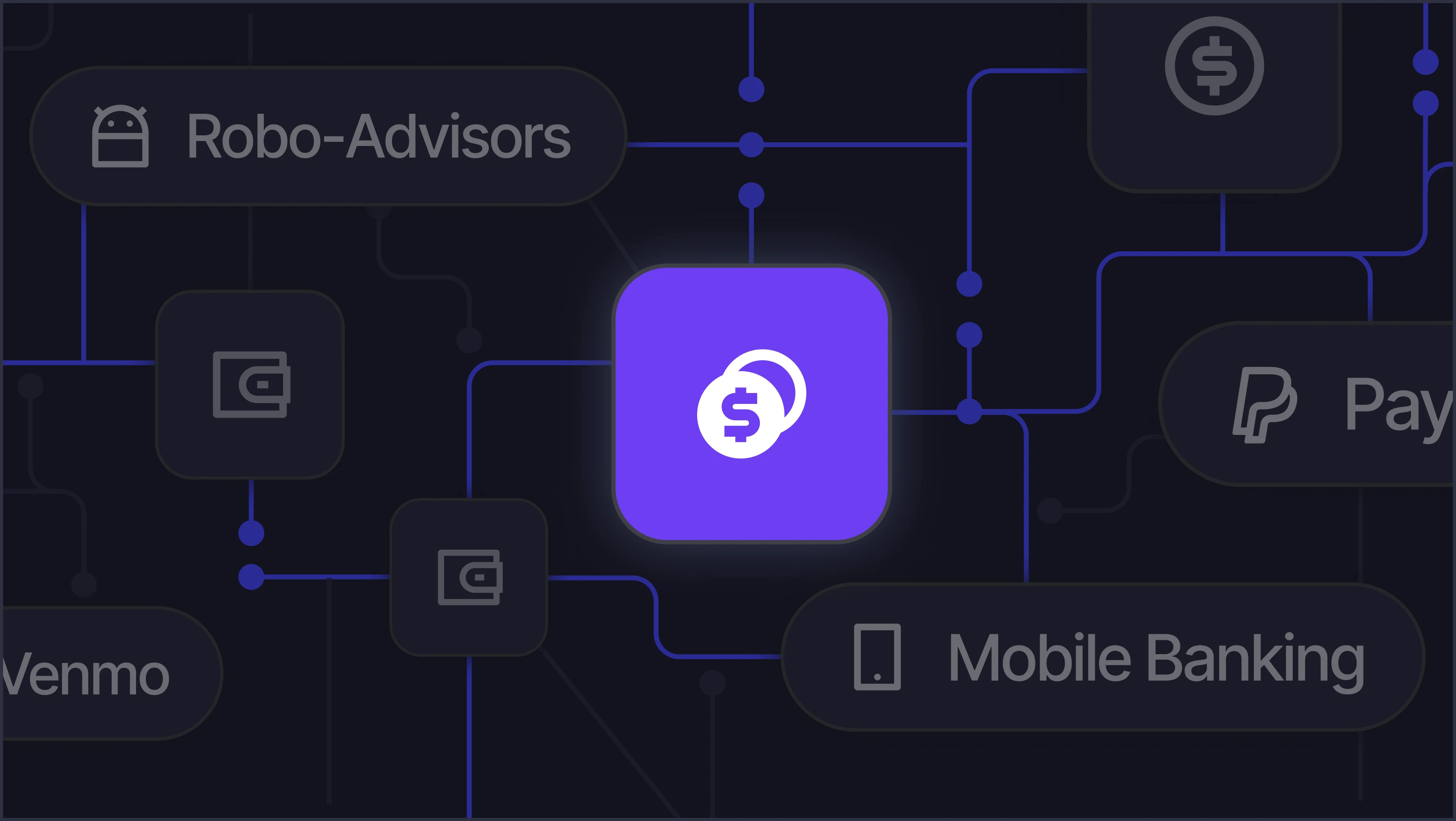
At its core, fintech includes any app, platform, or software solution that allows users to conduct financial activities digitally. This spans mobile banking apps, budgeting tools, peer-to-peer payment platforms, crypto exchanges, robo-advisors, and much more.
📌 Key terms targeted:
- define fintech
- financial technology fintech
- fintech definition
- what is financial technology
- what is fintech
What Does Fintech Stand For and What Does it Do?
Fintech stands for Financial Technology. It represents a broad ecosystem of technologies and services that are reshaping the traditional financial system. But what does fintech actually do?
Fintech simplifies financial processes, improves accessibility, reduces costs, and personalizes experiences. Whether you're checking your account balance, applying for a loan, sending money, or trading stocks—all through your smartphone—you're using fintech.
Everyday Use Cases:
- Paying a friend via Venmo or Cash App
- Managing your budget with Mint or YNAB
- Investing through Robinhood or Stash
- Applying for loans via SoFi or Prosper
How Does Fintech Work?
Fintech relies on a mix of APIs, mobile apps, cloud services, data aggregation, and machine learning. Here's how these components work together:
- APIs (Application Programming Interfaces): Securely connect financial institutions with third-party apps, enabling data sharing and real-time updates.
- Mobile Apps: Provide an intuitive and always-on interface for users to access services.
- AI & Machine Learning: Power personalized financial recommendations, fraud detection, and credit scoring.
- Cloud Computing: Ensures scalability, real-time processing, and lower infrastructure costs.
🔑 Fintech companies streamline processes that used to require physical presence, paperwork, and time—now achievable with a few taps on a phone.
Types of Fintech and Fintech Products
Fintech spans multiple sectors and use cases. Here are six main types of fintech you should know:
1. Digital Banking (Neobanks)
Fintech banks like Chime and Varo offer fully digital banking experiences—no branches, no paperwork. Features include:
- No-fee checking/saving accounts
- Early direct deposit
- Mobile-first user experience
2. Digital Payments
Apps like PayPal, Zelle, and Stripe allow individuals and businesses to send and receive money instantly—often at lower costs than traditional methods.
3. Personal Financial Management (PFM)
Apps like Copilot or Brigit help users track spending, create budgets, and make better financial decisions.
4. Wealth Management & Robo-Advisors
Platforms like Betterment and Atom Finance automate investing, portfolio management, and financial advice.
5. Lending & Credit
Fintech lenders such as SoFi, Prosper, and SoLo Funds provide faster loan approvals and innovative lending models like peer-to-peer loans.
6. Embedded Finance
Non-financial platforms like Shopify integrate financial services—such as business bank accounts or payment tools—into their products, making them seamless and accessible.
🧠 These categories continue to evolve with new innovations like real-time payments, buy-now-pay-later (BNPL), and DeFi (Decentralized Finance).
📌 Keywords included:
- fintech technology
- what is fintech industry
- how does fintech work
- what is a fintech company
Examples of Fintech Companies
Here are real-world fintech players shaping the industry:
| Company | Category | Notable Features |
|---|---|---|
| Chime | Neobank | No overdraft fees, early payday |
| Robinhood | Investment | Commission-free stock trading |
| SoFi | Lending & Investing | Student loans, credit, investing |
| Qapital | Savings & Budgeting | Automated saving rules |
| Plaid | Fintech infrastructure | API services for banking & finance apps |
| Stripe | Payment processing | E-commerce & SaaS payments |
| Brigit | PFM | Budgeting tools & cash advances |
The Impact of Fintech
Fintech is transforming the financial landscape in profound ways:
🏦 Democratization of Financial Services
- Millions of underbanked and unbanked individuals can now open accounts, access loans, and build financial literacy via their smartphones.
🌍 Financial Inclusion
- Emerging markets and marginalized communities benefit from tools that make banking more accessible.
📈 Industry Disruption
- Traditional banks are forced to modernize. For example, Wells Fargo introduced an "Extra Day Grace Period" to compete with fintech's customer-centric features.
🧘♂️ Reduced Stress and Better Habits
- Users of fintech apps report less financial stress, better savings habits, and increased confidence in managing money.
Conclusion
Fintech is more than a buzzword—it's a movement reshaping how we engage with money. From saving and investing to borrowing and sending funds, fintech companies are improving financial access, personalization, and transparency.
In an increasingly digital world, financial technology is the infrastructure of modern financial life. Whether you're a consumer looking to budget smarter or a startup exploring embedded finance, understanding fintech is essential.
📎 References:
- Plaid's "Fintech Effect" report
- Statista Fintech Statistics (2023)
- Insider Intelligence Fintech Forecast
- Original source article (Justin Trificana, Plaid)