Back
Types of Financial Technology (Fintech) Companies
Explore the diverse sectors of fintech—from digital payments and blockchain to lending and personal finance management—and discover how these categories are transforming the financial world.
What Is a Fintech Company?
A fintech company leverages technology to deliver financial services in a faster, more user-friendly, and more accessible way. These businesses challenge traditional financial institutions by offering innovative solutions in lending, banking, investing, payments, and compliance.
📌 Target keywords: what is a fintech company, fintech industries, fintech sectors
Fintech Categories: An Overview
The fintech industry can be segmented into various categories based on the financial function they transform. From mobile payments to blockchain technology, each fintech sector addresses unique problems while delivering user-focused, tech-driven solutions.
These categories aren't just about novelty—they're solving real-world problems, improving accessibility, and driving inclusion in finance.
📌 Target keywords: areas of fintech, fintech categories, types of fintech, types of fintech companies
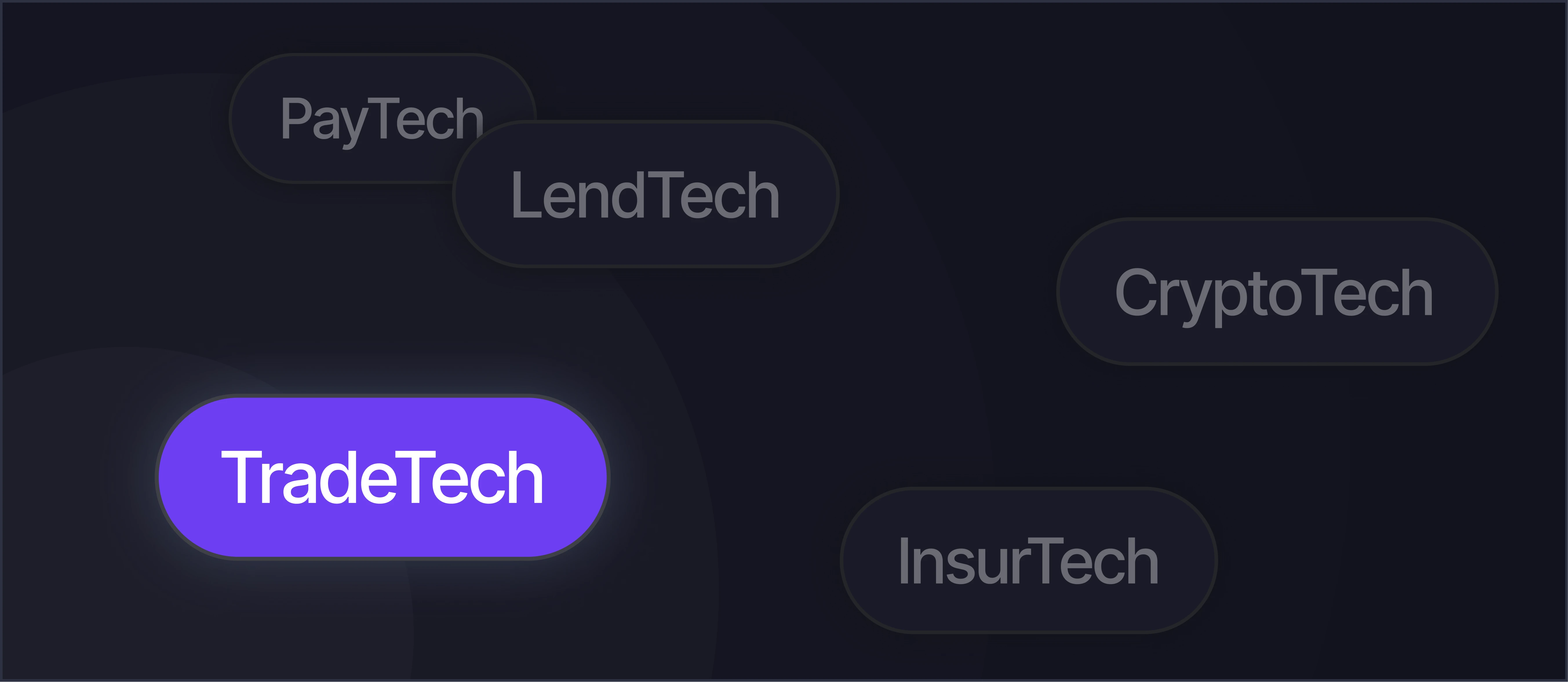
1. Blockchain and Cryptocurrency (CryptoTech)
Blockchain is the foundational technology behind cryptocurrencies like Bitcoin and Ethereum. This sector provides secure, decentralized alternatives to traditional finance.
Key Features:
- Peer-to-peer transactions
- Transparent and immutable ledgers
- Smart contracts (used in DeFi and NFTs)
Popular Companies: Coinbase, Chainalysis, Ripple
2. Insurance Technology (InsurTech)
InsurTech reimagines the insurance industry using AI, IoT, and big data to simplify underwriting, pricing, and claims.
Innovations:
- Usage-based insurance
- Personalized risk assessment
- Digital policy management
Popular Companies: Lemonade, Next Insurance, Oscar Health
3. Regulatory Technology (RegTech)
RegTech helps financial institutions automate compliance, reduce risk, and adapt to evolving regulations.
Capabilities:
- Biometric ID verification
- AML (Anti-Money Laundering) detection
- Automated regulatory reporting
Example: Sanction Scanner offers AML compliance and identity screening tools.
4. Lending Technology (LendTech)
LendTech platforms disrupt traditional lending by using alternative credit scoring, AI-powered risk assessments, and peer-to-peer models.
Use Cases:
- Instant loan approvals
- Microloans & payday loan alternatives
- P2P platforms connecting borrowers directly with investors
Popular Companies: SoFi, Prosper, Upstart
5. Payment Technology (PayTech)
PayTech powers digital transactions, enabling users to send or receive funds through mobile apps or online platforms.
Key Innovations:
- Digital wallets & QR code payments
- Contactless and NFC-based systems
- Embedded checkout experiences
Popular Companies: PayPal, Stripe, Venmo, Square
6. Trading and Investment Technology (TradeTech)
TradeTech focuses on enhancing trading platforms with real-time data, automation, and AI insights.
Features:
- Robo-advisors and algorithmic trading
- Real-time price analytics
- Retail trading platforms with low fees
Popular Companies: Robinhood, eToro, Interactive Brokers
7. Digital Banking (Neobanks)
Neobanks provide banking services entirely online, eliminating the need for physical branches.
What They Offer:
- Free checking/savings accounts
- Mobile-first experiences
- Instant transfers and virtual cards
Popular Neobanks: Chime, N26, Monzo, Revolut
8. Personal Finance Management (PFM)
PFM apps help users track spending, save money, and improve budgeting habits using connected financial data.
Common Features:
- Real-time dashboards
- Smart budgeting tools
- Automatic savings and reminders
Popular Apps: Mint, YNAB (You Need a Budget), Copilot
9. Crowdfunding Platforms
Fintech has enabled creators, startups, and NGOs to raise capital without banks.
Platform Types:
- Reward-based (Kickstarter)
- Equity crowdfunding (SeedInvest)
- Peer lending (LendingClub)
Crowdfunding removes geographic and institutional barriers to fundraising.
10. Robo-Advisors & WealthTech
WealthTech solutions automate investing and bring professional portfolio management to everyday users.
Key Benefits:
- Low-cost, data-driven investment
- Tax-loss harvesting and risk profiling
- Accessible through mobile apps
Popular Tools: Betterment, Wealthfront, Stash
Conclusion: Which Fintech Sector Is Right for You?
Whether you're a startup founder exploring embedded payments, a consumer looking for digital banking, or a financial firm in need of AML automation, there's a fintech category designed for your needs.
As financial technology continues to grow—projected to reach $556B by 2030—these categories will only become more specialized and intertwined with our daily lives.
🔍 Want help building a fintech product? Whether you're entering the PayTech, RegTech, or WealthTech space, make sure your solution is scalable, secure, and user-centric.
📎 Sources:
- Sanction Scanner
- Statista (2023 Fintech Stats)
- Stfalcon
- CB Insights
- Allied Market Research